How to Make Your First Short Film: From Pre-Production to Final Edit
UARTS Editorial Team
Making a first short film can be one of the most effective ways to learn filmmaking because it brings storytelling, practical decisions and collaboration into a single project. A short film is not merely a feature film with fewer minutes. It needs an idea that can be expressed clearly within a limited duration, a realistic plan for production and a post-production process that gives the material its final rhythm.
Most filmmaking workflows can be described in three broad phases: pre-production, production and post-production. They affect one another. An ambitious script may require locations or effects the team cannot secure; weak recorded sound may create problems in editing; and a missing reaction shot may make an otherwise good scene difficult to assemble. The aim is to make those dependencies visible before they become expensive surprises.
Start with one dramatic question
Before writing dialogue, decide what changes for the main character. A useful short-film premise can often be explained in two or three sentences: someone wants something, encounters a meaningful obstacle and must make a choice. That structure is not a formula for every genre, but it can keep a first production focused.
Choose a scale that suits the resources you actually have. One well-chosen location may offer more creative control than six locations that require complicated travel, permissions and lighting changes. A short running time leaves little space for scenes that repeat information or introduce characters without influencing the central conflict.
Write a brief logline, then a one-page synopsis. Ask whether every scene changes the situation or reveals something essential. If a scene does neither, consider removing or combining it. The objective is not to make the story simplistic, but to place available time and attention where the audience will notice them.
Write a screenplay you can realistically shoot
A screenplay describes actions and dialogue that can be communicated through image and sound. It is different from a prose story because it must guide a collaborative production. Clearly identify locations, time of day, the characters present and the events that occur on screen. Avoid writing internal thoughts that the camera cannot capture unless you have a visual or audible way to convey them.
As you revise, distinguish creative requirements from preferences. Does the scene need a crowded café, or does it need the feeling of an uncomfortable public conversation? Could that feeling be achieved in a smaller, controllable location? Good constraints encourage imaginative solutions without compromising the story's central purpose.
Before committing to a date, read the script aloud with collaborators. Note awkward dialogue, confusing transitions and actions that are difficult to perform. A table read can reveal problems that are easy to overlook when reading silently.
Pre-production: turn the script into a plan
Pre-production converts the written story into practical decisions. The essentials include a realistic budget, locations, filming permissions, cast availability, crew responsibilities, props, costumes, equipment, production calendar and the plan for recording sound. A simple storyboard can explain complex action, but a clear shot list is equally useful for less visually elaborate scenes.
Create a shot list with scene, shot size, camera movement, intended action and any special requirement. Group shots by location and setup rather than blindly following the screenplay's order. Build a schedule that allows reasonable preparation and repeat takes. If a production uses music, artwork, brands or third-party footage, identify the permissions needed before editing begins.
A small crew can work well when responsibilities are clear. Decide who directs, who oversees camera and lighting, who records sound, who manages continuity and who confirms that all essential shots have been captured. People may take more than one role on a student film, but confusion about ownership makes practical problems harder to solve.
Production: protect performance, continuity and sound
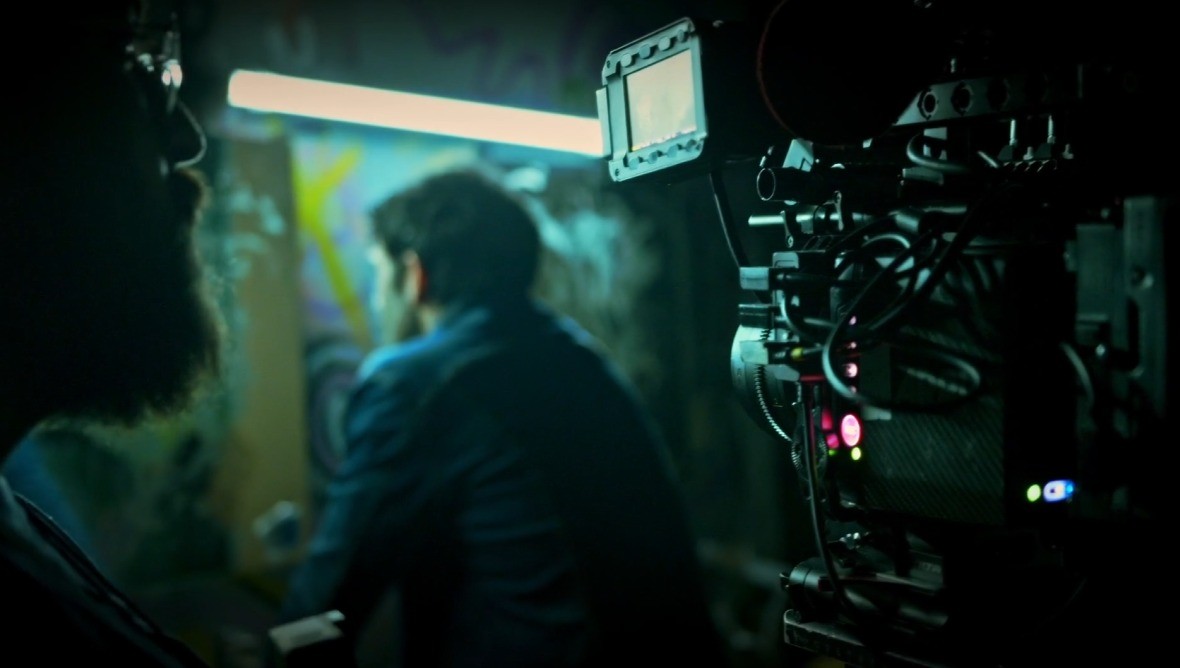
On the shoot, the director's priority is to capture performances and images that support the story. Begin by confirming blocking, camera framing and where performers will move. Check how the scene relates to shots recorded before or after it. Small continuity mistakes, such as changes in prop position or eyeline, can complicate editing.
Sound deserves as much care as the image. Dialogue that is difficult to understand can weaken an otherwise impressive scene. Use a quiet location where possible, monitor the recording, collect room tone and allow time for additional takes when unexpected noise interrupts a performance. Keep files organised and backed up as the shoot proceeds.
It is useful to capture a safe amount of coverage: a clear view of the action, relevant details and reactions that help communicate a character's choice. More footage is not always better; purposeful coverage provides the editor with alternatives without consuming the entire schedule.
Editing: find the story again
Post-production begins with organisation. Label footage and sound, create backups and make an assembly cut that places the material in narrative order. Do not try to make every cut elegant immediately. First determine whether the story makes sense, where the audience's attention goes and whether the emotional progression is coherent.
Then create a rough cut. Remove repeated information, refine pauses and compare how different shot choices affect performance. A reaction may carry more weight than the action itself. An edit that is technically seamless can still feel wrong if it breaks the emotional rhythm of the scene.
Sound editing, music, colour correction, visual effects and titles come after the film's structure is reasonably stable. Use music only when it is original, licensed or otherwise cleared for the intended distribution. Basic colour correction should help shots look consistent before creative grading establishes a distinct mood.
Finally, export the film with settings appropriate for the intended platform or screening. Watch the actual exported file from beginning to end, checking picture, sound levels, credits, spelling and subtitles where applicable. A short film is not complete simply because the editing timeline plays correctly.
Learning from a UARTS student film
UARTS has publicly congratulated Digital Film student Bastián Urra Espinoza on the presentation of his short film El Sindicato. The school's published announcement confirms the film's title, director and the student's training area. It does not supply the full synopsis or an approved public screening link; those details should not be invented or implied.
The example is valuable because it represents the endpoint of a creative endeavour: an idea has been developed into a film that can be presented to an audience. The public acknowledgement is not proof of every technique used on set. For readers who want to understand the process behind El Sindicato, a future interview with its director would be a better source than speculation.
What to include in a first-filmmaker portfolio
A final film is the centrepiece, but a portfolio may benefit from contextual material: a short synopsis, the creator's role, a carefully chosen still, a storyboard comparison and concise notes about a specific challenge. In collaborative productions, make the credits explicit. If another person handled cinematography or sound, do not claim that work as your own.
The most useful outcome of a first short film is not necessarily a festival selection or a commercial result. It is the experience of testing a story with real constraints, reviewing what did and did not work and completing a project responsibly. UARTS' Digital Film training connects cinematic craft with practical production, and a focused first short can be an important step in building that experience.
Explore further: UARTS Digital Film · Adobe's beginner filmmaking guide. Student example: UARTS announcement about El Sindicato.
Frequently asked questions
How long should a first short film be?
There is no universal length. Choose the shortest duration that tells the story clearly and fits the available time, performers and resources.
Do I need expensive equipment?
Not necessarily. A manageable story, understandable sound, considered framing and a realistic plan often matter more than owning high-end gear.
What are the three main filmmaking stages?
Pre-production plans the work; production records it; post-production shapes picture and sound into the finished film.
Can a student short film become a portfolio piece?
Yes, with appropriate permissions, clear credits and an explanation of the student's actual contribution.
